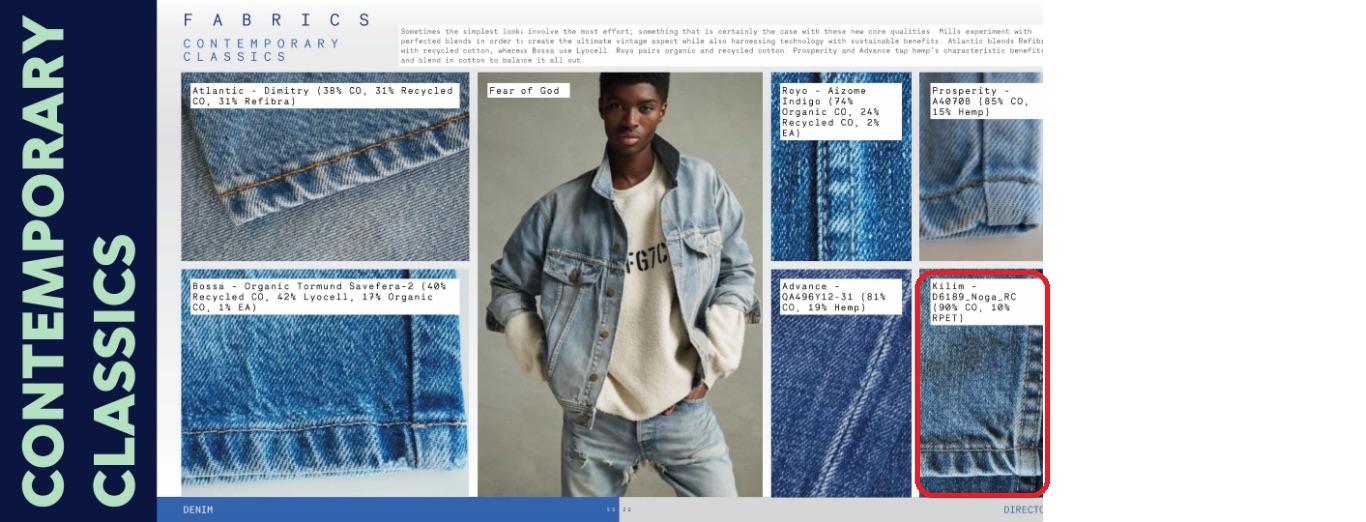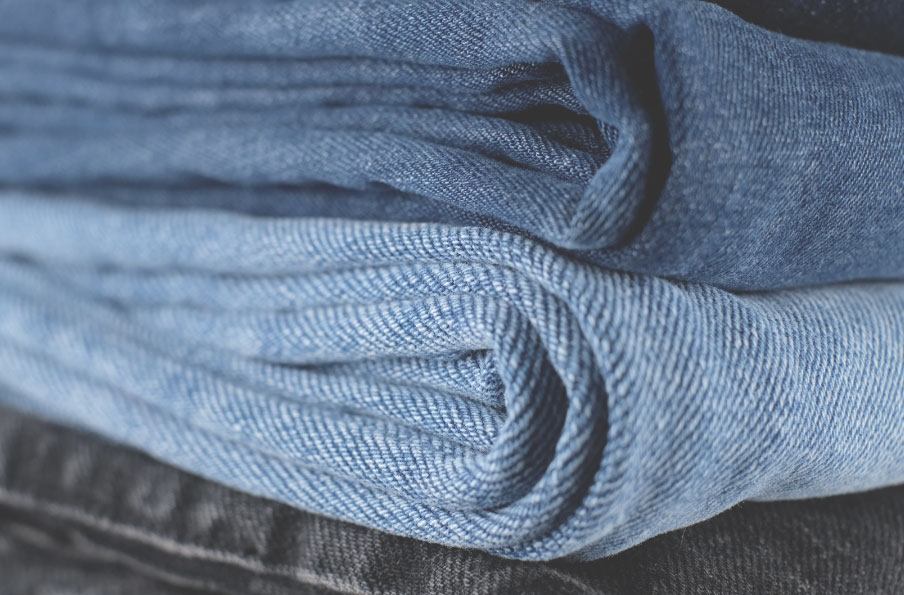
01 — Denim fabrics · 1986
Kilim Denim
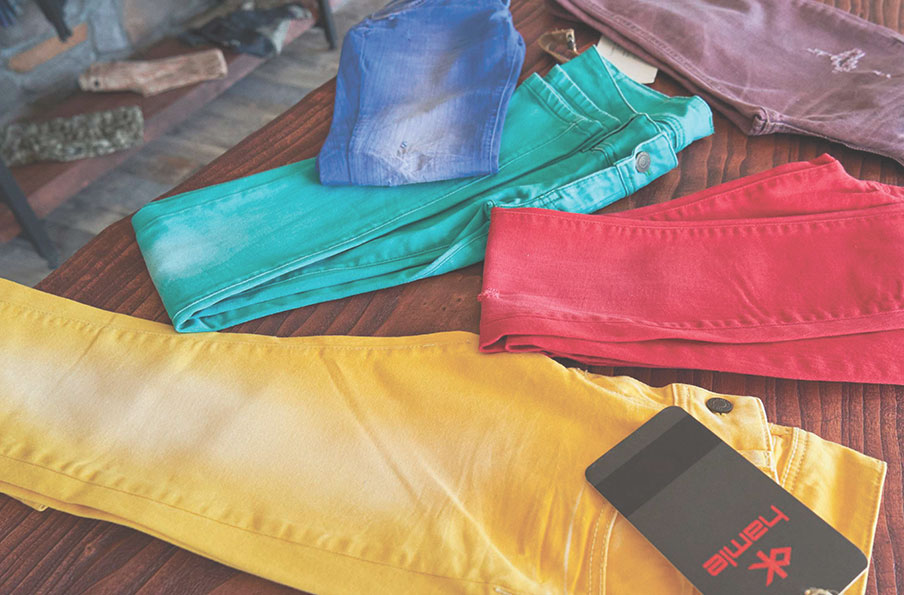
Denim fabrics
Established in 1986 as the leading denim factory of Turkey — faithful to the essence of denim while it transforms.
12M mdenim fabric capacity per year
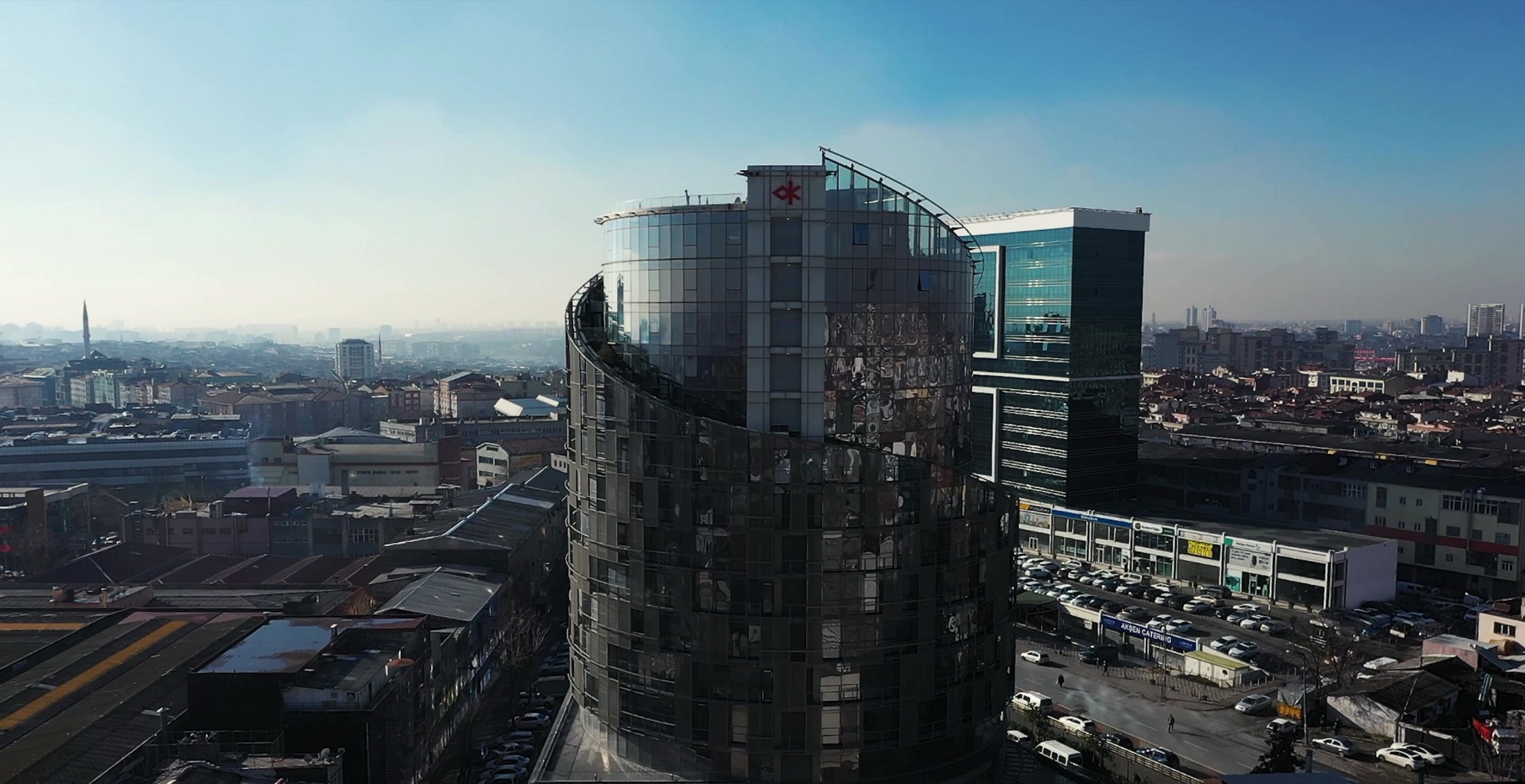
Kilim Group — head office, Bayrampaşa / İstanbul
Overview.
Founded by Mehmet Kilimci in the 1950s, Kilim Group has grown into one of the leading names in Turkish textiles — shaping every step of its journey around customer satisfaction and trust.
Today six companies, each successful in its own field, carry that heritage into denim, uniform fabrics, dye-printing and rubber raw materials, exported to every corner of the world.
About the groupKilimGroup.
Made in
Türkiye.
Worn
worldwide.
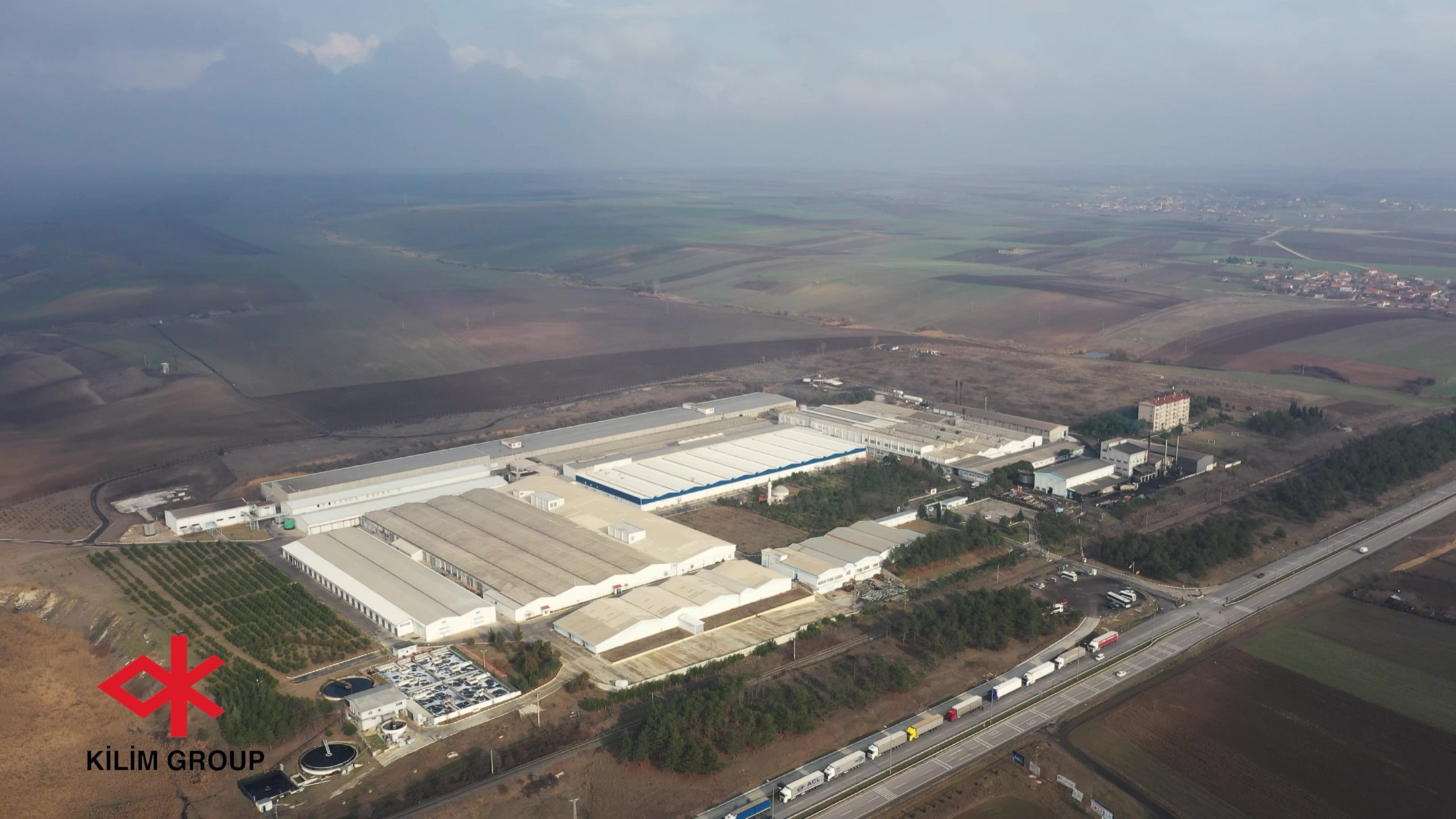
Production
From yarn
to finished fabric.
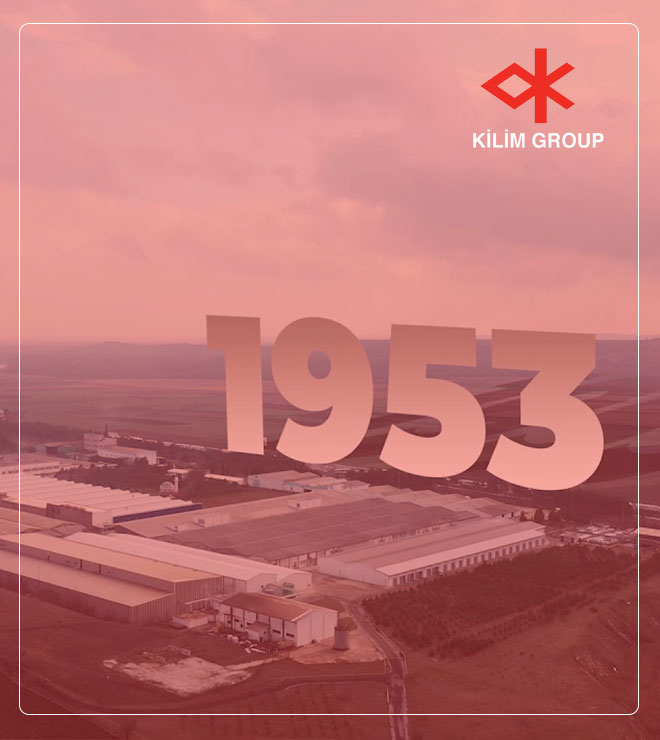
Six companies. One vision. Seventy years in the making.
Figures.
The Group
70+years
of experience
240,000m²
Closed production areas
23,000ton
Annual rubber & plastic raw material
Textile
24,000,000m
Annual weaving capacity
12,000,000kg
Annual yarn production
20,000,000m
Annual paint-print capacity
01 — Denim fabrics · 1986
Denim fabrics
Established in 1986 as the leading denim factory of Turkey — faithful to the essence of denim while it transforms.
02 — Military & technical fabrics
Military & technical fabrics
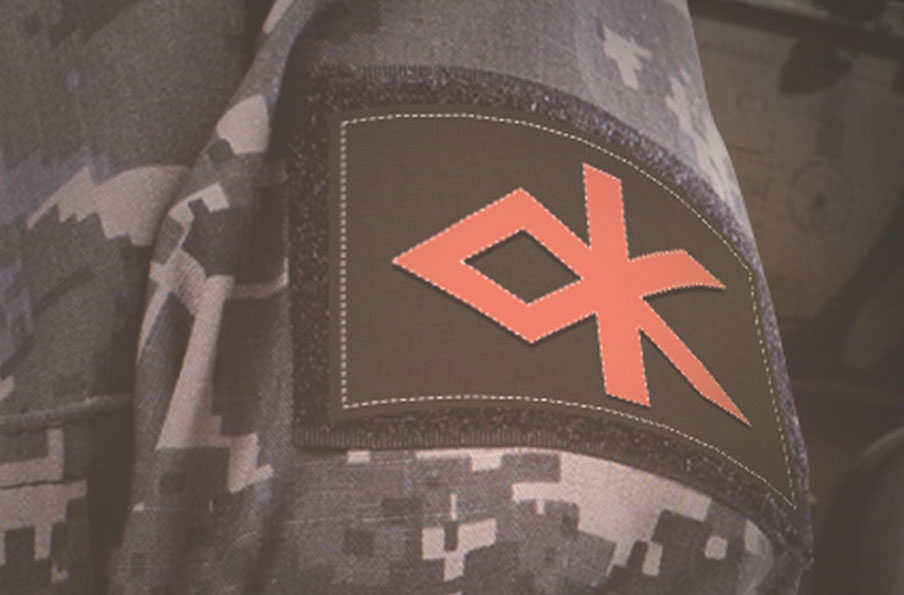
The accredited uniform producer of the Turkish Army and Law Enforcement — and one of the leading integrated facilities in export.
03 — Contract dye-printing
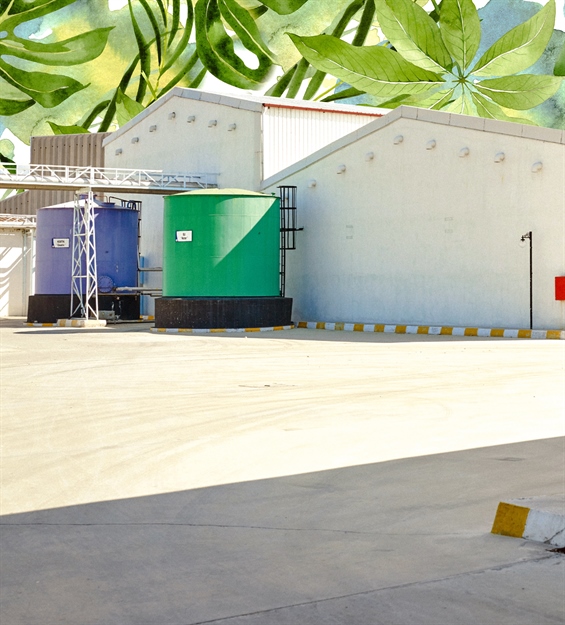
Contract dye-printing
“Our aim is not just the commercial success but to reach the high quality.”
04 — Rubber & plastic raw materials · 2006
Rubber & plastic raw materials
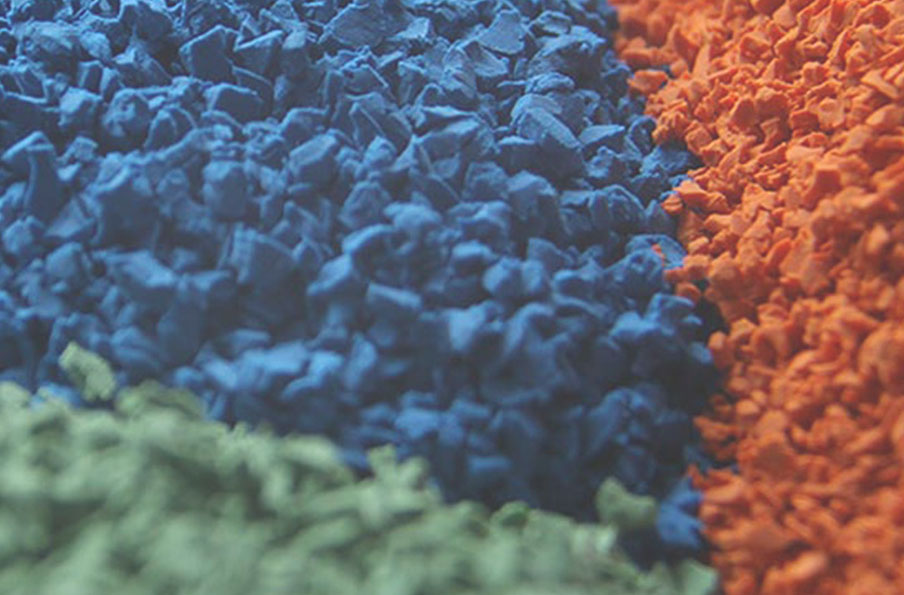
Active zinc oxide and chemicals for the rubber and plastic industry — made through a wet process in Sakarya since 2006.
Sustainability.
With our CACTUS dyeing process and ECOFLAT finishing, we rethought denim at the source — cutting the water and chemicals that conventional production depends on.
Water
−77.1%
Chemicals
−96.6%
3,393t CO₂
reduced every year — 8,255 trees
216pools
red pines planted — the equivalent, every year
25%solar
Solar Power Plant — Edirne

Innovation
100% caustic savings and 70% more water savings compared to the conventional flat process.
Read the story